Medical Coding Audits
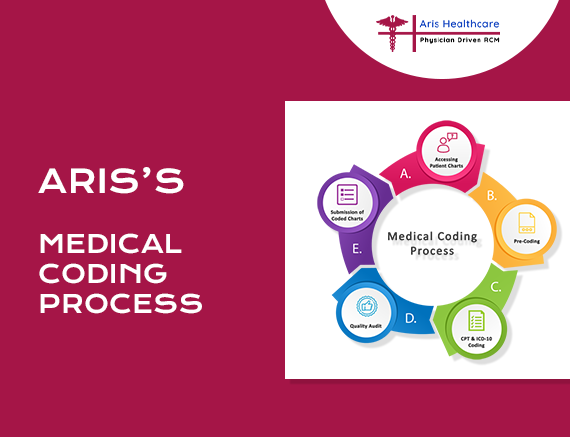
Medical coding audit -process involves reviewing clinical documentation, selecting appropriate codes,
applying coding guidelines, performing quality checks, and
linking codes for accurate billing and compliance.
Step 1: Review Medical Documentation
Step 2: Determine Applicable Coding Systems
After reviewing documentation, coders identify which
coding systems apply:ICD-10-CM for diagnoses,
CPT for procedures&HCPCS for service , equipment and supplies .
Step 3: Apply Coding Guidelines
Step 4: Perform Quality Checks
Step 5: Link Codes and Prepare for Billing
Clinical Documentation Improvement
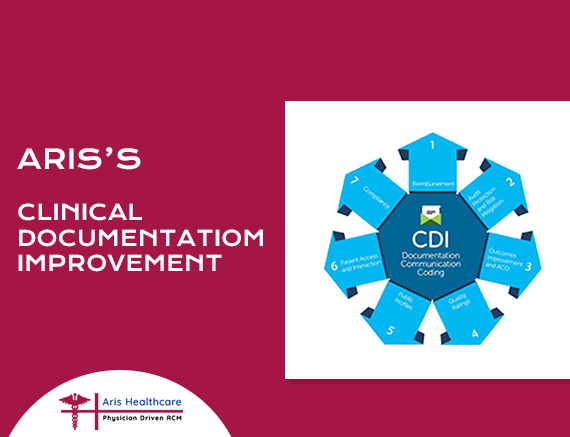
To improve clinical documentation,
focus on four key steps
Key Steps for Clinical Documentation Improvement
- Assess Current Documentation Practices:
- Engage Stakeholders:
- Implement Training and Education:
- Monitor and Evaluate Progress:
By following these steps, healthcare organizations can create
a robust Clinical Documentation Improvement (CDI) program
that enhances the quality of clinical documentation,
ultimately leading to better patient outcomes and
more accurate data reporting.
ultimately leading to better patient outcomes and
more accurate data reporting.
DRG Coding Denial Management
DRG code denials often occur due to insufficient
clinical evidence to support the diagnosis,
leading to lower reimbursement rates for
healthcare providers.
Common Reasons for DRG Code Denials:
- Lack of clinical evidence
- Inconsistent documentation
- Payer specific guidelines
Strategies to Mitigate DRG Denials
- Strengthen clinical validation
- Implement best practices
- Appeal denied claims
Conclusion
DRG code denials can significantly impact
healthcare providers' revenue. By understanding
the common reasons for these denials and
implementing strategies to improve documentation
and compliance, providers can reduce the likelihood
of denials and ensure appropriate reimbursement
for services rendered.

Medical Coding
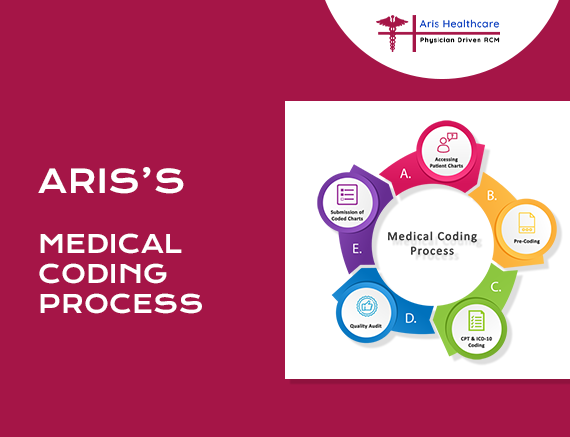
The medical coding process involves reviewing
clinical documentation, selecting appropriate codes,
applying coding guidelines, performing quality checks,
and linking codes for accurate billing and compliance.
Step 1: Review Medical Documentation
Step 2: Determine Applicable Coding Systems
After reviewing documentation, coders identify which
coding systems apply ICD-10-CM for diagnoses,
CPT for procedures &HCPCS
Step 3: Apply Coding Guidelines
Step 4: Perform Quality Checks
Step 5: Link Codes and Prepare for Billing